
10 Common Mistakes to Avoid in Livestock Logistics
Livestock transportation isn’t just about loading animals onto a truck and driving off. There’s a lot more to it: planning, timing, knowing how animals react to travel, and handling them the right way. Miss a detail, even a small one, and you end up with stressed animals, unexpected delays, or losses that didn’t need to happen.
In the case of livestock logistics, problems are seldom the result of one big mistake. More often, they stem from small choices that were considered routine at the time. Knowing where these mistakes occur helps to avoid them that are still far from the truck being on the road.
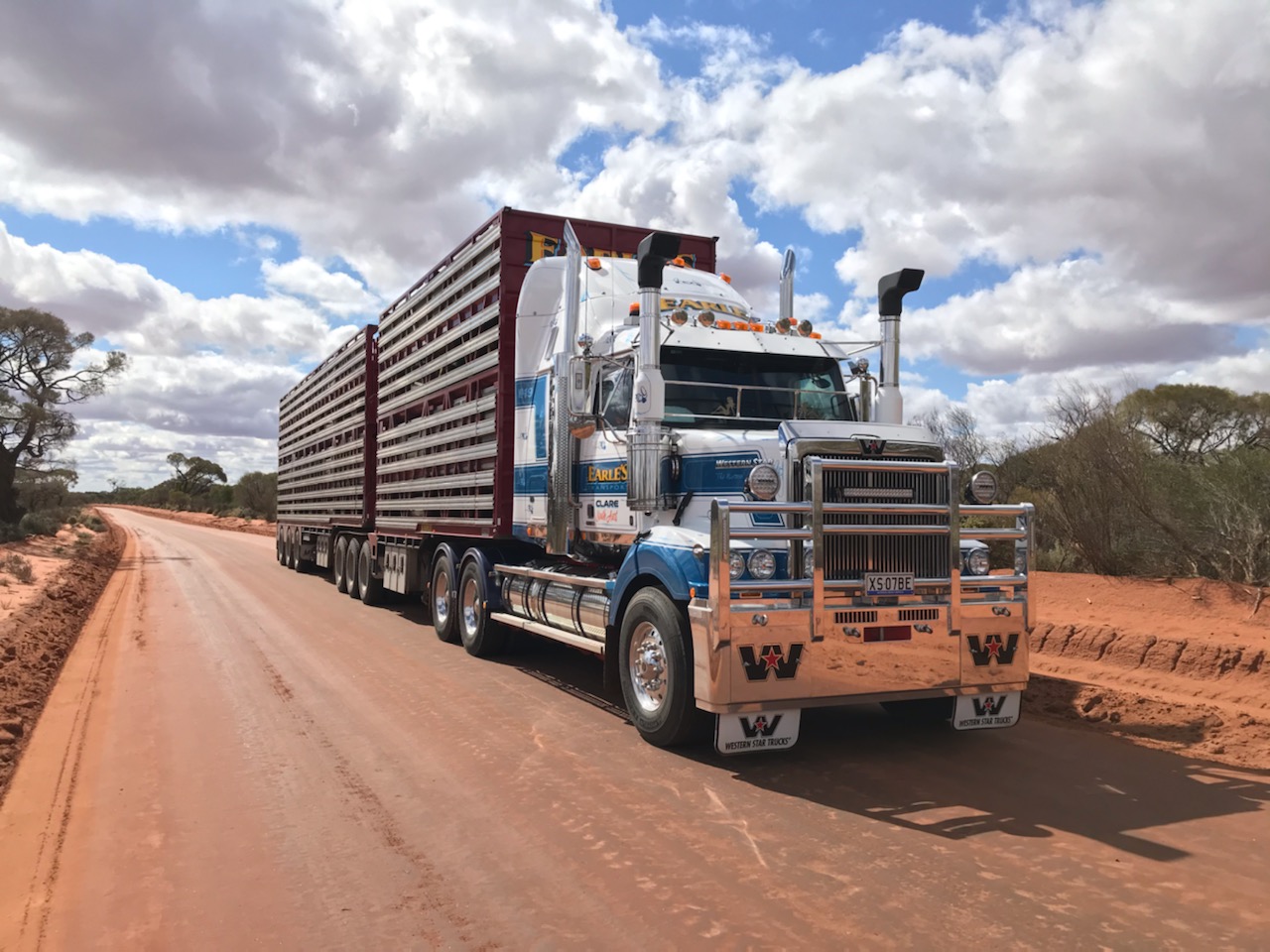
The Small Decisions That Make the Biggest Difference
Once livestock is ready to move, every step before loading matters. Feed schedules, loading times, route planning, vehicle setup, and communication often get decided quickly. These choices may seem minor in freight transport Adelaide. But they affect how animals handle the journey and how smoothly the transport runs.
Below are some of the most common mistakes seen in livestock logistics. Continue reading to know how to avoid them.
1. Treating Livestock Like Regular Freight
One of the biggest mistakes is handling livestock as if they’re standard freight. Animals react to movement, noise, temperature, and handling. Unlike boxed goods, they need care, space, ventilation, and calm loading.
Good livestock logistics always puts animal welfare first. When animals are handled properly, they travel better, arrive healthier, and recover faster.
2. Poor Planning Around Timing and Routes
Timing matters more than many people realise. Loading animals during extreme heat, choosing rough routes, or underestimating travel time can increase stress and fatigue.
Experienced operators plan routes carefully, factor in road conditions, and schedule trips at suitable times. In livestock logistics, you are not getting something from point A to point B. It is about how the journey would affect the animals.
3. Using the Wrong Vehicles or Equipment
Not all trucks are suitable for livestock. Poor ventilation, slippery flooring, or cramped spaces can cause injuries and unnecessary stress.
Professional freight transport Adelaide services understand that the right vehicle setup is essential. Proper partitions, airflow, and safe loading systems help ensure animals travel comfortably and securely.
4. Ignoring Feed and Rest Needs
Another common issue is overlooking feed and rest planning, especially on longer journeys. Livestock need access to feed and water, and this needs to be planned ahead.
Coordinating hay delivery alongside livestock transport is often essential. Without proper feed planning, animals can arrive tired, dehydrated, or underweight. And the only way you can avoid these issues is with the right preparation.
5. Choosing Price Over Experience
It’s tempting to go with the cheapest option, but in livestock logistics, cheaper can end up costing more. Inexperienced handling can lead to injuries, losses, or delays that affect both animal welfare and business outcomes.
Experienced transport providers understand animal behaviour, regulations, and real-world challenges. That experience shows in smoother journeys and fewer problems.
6. Poor Communication Between Everyone Involved
Livestock transport often involves multiple parties like farmers, drivers, yards, and receivers. When communication breaks down, delays and confusion follow.
Clear schedules, accurate information, and regular updates help keep everything running smoothly. Good logistics relies as much on communication as it does on vehicles and routes.
7. Overlooking Compliance and Welfare Requirements
Regulations around animal transport exist for a reason. Overlooking paperwork, rest requirements, or welfare standards can lead to serious consequences.
Experienced livestock logistics providers stay up to date with compliance requirements and ensure everything is handled correctly. This protects not just the animals, but also the people responsible for them.
Why These Mistakes Happen So Often
Most of these mistakes don’t happen because people don’t care. They happen because livestock logistics is often treated as “just transport.” In reality, it involves timing, planning, animal behaviour, equipment, and clear communication.
When logistics are rushed or handled by inexperienced operators, small oversights quickly turn into bigger problems. Working with people who understand livestock, not just freight, helps avoid these issues and keeps both animals and operations running smoothly.
Bottom Line
Good livestock logistics is about planning ahead, understanding animal needs, and working with people who know the job. Avoiding these common mistakes helps reduce stress, prevent losses, and ensure animals arrive in good condition. It’s not just about moving livestock, it’s about doing it responsibly, safely, and efficiently.
When it comes to livestock transport, Earle's Transport takes care of the planning, the animals, and the delivery, so you don’t have to worry. From choosing the right vehicle to looking after the stock along the way, our team makes sure every step is done properly and smoothly.