Traceability and Trust: What to Keep in Mind When Booking Livestock Transport
You’ve got a truck loaded, timing’s tight and everything looks fine until it isn’t. The driver pulls up at the saleyards and suddenly the paperwork doesn’t line up with what’s on NLIS. Tags don’t match the PIC. The load gets held. Now it’s not just an inconvenience. You’re stuck waiting while everyone else moves on.
This is where the importance of livestock transport is often overlooked when making arrangements. It is one thing to have your animals transported from place to place. However, it is quite different to ensure traceability and safe travel while at the same time ensuring that there is no disruption during this critical period.
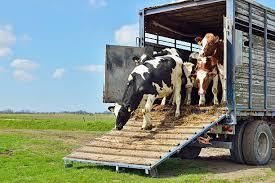
When planning to hire livestock transport services, you should know that you need to make sure everything is done correctly.
What Traceability Really Means for Your Mob
Traceability sounds like a big word but it’s pretty simple in practice. Every animal is tagged. Every property has a PIC. So every time stock moves, that movement needs to be recorded. That’s how the system keeps track of where animals have been and where they’re going.
In Australia, that traceability system isn’t just red tape. It’s what underpins market access and biosecurity. Buyers and processors rely on it. If something’s off, it doesn’t just affect one load. It can ripple out further than you’d like.
Here’s something simple but important. Before you book livestock transport, ask who’s actually responsible for lodging the NLIS movement. Is it you, your agent, or the transporter? Don’t assume. That’s how mistakes creep in.
The Risks When Traceability Isn’t Taken Seriously
When traceability slips, things don’t fail quietly. Loads get delayed. Animals can be rejected at the gate. In some cases, you’re told to turn around and fix it before anything moves forward.
It’s not just the immediate hassle. There can be fines. Movement restrictions. A bit of unwanted attention from the wrong people.
But more than that, it costs you time and money. If a load sits around longer than planned, you’re dealing with stress on the animals, potential weight loss and knock-on delays to everything else you had lined up.
Good livestock transport services understand this. They don’t treat paperwork as an afterthought. It’s part of the job.
What to Look For in Livestock Transport Services
Not all operators are set up the same and you can usually tell pretty quickly who takes it seriously.
- Start with the gear: Decent crates, proper ventilation, non-slip flooring and ramps that don’t turn loading into a rodeo. If the setup looks rough, it probably is
- Look at experience: There’s a difference between general freight and livestock transport. Moving animals isn’t just about driving. It’s about timing, handling and knowing how stock behave under pressure
- Check the broader work they do: Operators who also handle heavy machinery transport often run tighter fleets. If they’re trusted with heavy equipment, their maintenance, scheduling and compliance are usually dialled in
- Ask direct questions when you call: Don’t hesitate in asking questions like,
What sort of trailers are you running for this job?
How do you handle NLIS and movement paperwork? - Pay attention to the answers: That’s where you’ll usually get a clear sense of whether they know their stuff or are just winging it.
Drivers, Paperwork and Communication: Where Trust Shows Up
At the end of the day, it comes down to people. A good driver knows how to move stock without stressing them out. They load calmly, keep an eye on conditions during the trip and adjust when needed. That only comes with experience.
Then there’s the paperwork. Vendor declarations, PICs and NLIS records all need to be clean and correct. No guessing, no last-minute scrambling. Communication matters more than people think. If something changes or there’s a delay, you want a straight answer.
If a truck breaks down at 2am, the last thing you want is a call that goes nowhere. Reliable livestock transport services keep you in the loop. It’s simple but it makes a difference.
How Technology Can Help You Keep Track
Technology’s not there to complicate things. It’s there to make life easier.
A lot of operators now run GPS tracking on their trucks, so you’ve got a clear idea of where your load is and when it’ll land. Digital consignment notes and tools like eNVD also help keep records tidy and accessible.
When you’re comparing livestock transport services, it’s worth asking what systems they use.
Red Flags to Spot Before You Book
Most issues can be avoided if you pay attention early. If someone’s vague about NLIS or paperwork, that’s a warning sign. Same if they can’t give clear answers about their livestock work or seem to treat it like just another freight job.
No written terms or no proof of insurance is another red flag. At that point, you’re not just paying for livestock transport; you’re paying for animal welfare and compliance.
FAQs
What records do I need ready before I book livestock transport?
You’ll typically need your PIC, NLIS details and a completed vendor declaration or eNVD. Having these sorted early makes the booking smoother and avoids last-minute issues when the truck arrives.
Who is responsible for updating NLIS movements?
It depends on the arrangement. Sometimes it’s the producer, sometimes the agent and sometimes the transporter. The key is to confirm this upfront so nothing gets missed.
Why does heavy machinery transport experience matter?
Operators who handle heavy machinery transport often have stricter processes around maintenance, compliance and scheduling. That usually carries over into how they manage livestock transport as well.
What’s the biggest mistake people make when booking livestock transport?
Assuming someone else is handling the paperwork. That’s where most problems start. A quick check before booking can save you a lot of hassle later.
Ready to Book Livestock Transport You Can Rely On?
When everything lines up, solid gear, experienced drivers, proper paperwork and clear communication, livestock transport stops being something you worry about. It just works.
At Earles Transport, we provide livestock transport services alongside heavy machinery transport and that shows in how we run our fleet and plan every job. We understand local conditions and what producers actually need on the ground.
If you’ve got a move coming up, get in touch with us and we’ll talk through it properly so it’s sorted from the start.