
Planning Safer and More Efficient Heavy Machinery Movement
Moving oversized machinery requires more than arranging a vehicle and choosing a route. Large equipment can be heavy, wide, tall, or difficult to load, making every stage of transportation important. From preparation and securement to route planning and delivery, a structured approach helps reduce risks and prevent unnecessary delays. For businesses, contractors, farmers, and industrial operators, Heavy Machinery Transport involves coordinating several practical factors to ensure equipment reaches its destination safely and efficiently.
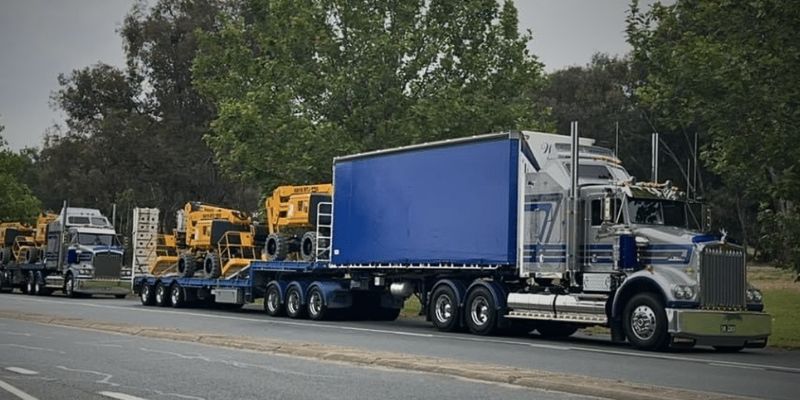
Heavy Machinery Transport Requires Careful Planning
Transporting large equipment begins well before the vehicle arrives. The dimensions, weight, centre of gravity, and condition of the machinery all influence how it should be handled. A proper assessment helps determine the appropriate trailer, loading method, restraints, and route.
Planning generally involves:
- Measuring the machinery accurately
- Confirming its total weight
- Identifying removable or movable components
- Checking loading and unloading requirements
- Reviewing road access and possible restrictions
- Preparing suitable securing equipment
Good preparation helps avoid last-minute complications. It also allows the transport team to anticipate challenges such as narrow entrances, low clearances, uneven surfaces, or difficult loading areas.
Why Machinery Transport Adelaide Needs Detailed Coordination
For businesses operating across metropolitan and regional areas, Machinery Transport Adelaide involves more than moving equipment from one point to another. Traffic conditions, road layouts, construction activity, and access limitations can all affect the movement of oversized machinery.
A well-coordinated transport plan considers the complete journey. This may include checking whether the destination has sufficient space for unloading and determining how the equipment will be positioned once it arrives. Communication between the sender, transport provider, site manager, and receiver is particularly important when the machinery is being delivered to an active worksite.
The following factors can influence the transportation process:
| Planning Factor | Why It Matters |
| Equipment dimensions | Helps determine vehicle suitability and route clearance |
| Total weight | Supports safe loading and compliant transport planning |
| Access conditions | Reduces difficulties during pickup and delivery |
| Loading method | Helps protect machinery and personnel |
| Delivery timing | Minimises disruption to operations |
When these details are addressed early, the entire process becomes more organised and predictable.
Protecting Machinery During Transit
Large equipment can experience movement, vibration, and exposure to changing road conditions during transportation. Proper preparation helps minimise the risk of damage. Loose components should be secured, vulnerable parts should be protected, and the machinery should be positioned appropriately on the transport vehicle.
The securing process must account for the equipment's shape and weight distribution. Poorly balanced loads can create additional risks during braking, turning, or uneven road travel. Regular checks during longer journeys may also help identify whether restraints remain secure.
In addition, the pickup and delivery areas should be assessed beforehand. A suitable surface can make loading and unloading more controlled, especially when the machinery is particularly heavy or difficult to manoeuvre.
Farm Machinery Transport and Seasonal Requirements
Agricultural operations often depend on equipment being available at the right time. Farm Machinery Transport can therefore require careful scheduling around planting, harvesting, maintenance, and other seasonal activities. Delays may affect productivity, particularly when machinery needs to move between farms, workshops, storage facilities, or project sites.
Agricultural equipment can also vary significantly in size and design. Tractors, harvesters, attachments, and other machinery may require different handling approaches. Before transportation, it is useful to confirm:
- Whether attachments need to be removed
- The equipment's exact dimensions and weight
- The condition of tyres, tracks, and movable parts
- The availability of suitable loading areas
- Any special delivery instructions
Clear planning helps reduce downtime and supports smoother coordination between agricultural sites.
Common Questions About Machinery Transportation
How should machinery be prepared before transport?
Equipment should be cleaned where necessary, inspected for loose components, and prepared according to its size, weight, and loading requirements. Any removable parts should be assessed before movement.
What information is needed for a transport plan?
Important details usually include the machinery's dimensions, weight, pickup and delivery locations, access conditions, and preferred timing.
Can oversized machinery be transported through urban areas?
It may be possible, but the route needs careful consideration. Road conditions, clearances, traffic, access restrictions, and other requirements can influence the plan.
Why is accurate equipment measurement important?
Incorrect measurements can affect vehicle selection, route suitability, and loading arrangements. Accurate information supports safer and more efficient preparation.
How can delivery delays be reduced?
Providing complete equipment details, confirming site access, and coordinating pickup and delivery schedules in advance can help reduce avoidable delays.
Conclusion
Successful machinery movement depends on preparation, communication, suitable equipment, and careful attention to the journey from pickup to delivery. Whether the load is used in construction, agriculture, manufacturing, or another industry, organised planning can help reduce risks and operational disruption. With a structured approach to Heavy Equipment Hauling, Earlestransport can support the practical requirements involved in moving large and valuable machinery while keeping safety and coordination central to the process.