
Planning Safer Machinery Transport for Every Move
Moving large equipment is rarely as simple as loading it onto a truck and setting off. Machinery can be heavy, oversized, difficult to handle, and highly valuable, making careful planning essential from collection through delivery. Businesses and landowners arranging Machinery Transport Adelaide need to consider equipment dimensions, loading requirements, route conditions, timing, and site access. Earles Transport provides transport solutions designed around the practical challenges involved in moving substantial equipment safely and efficiently.
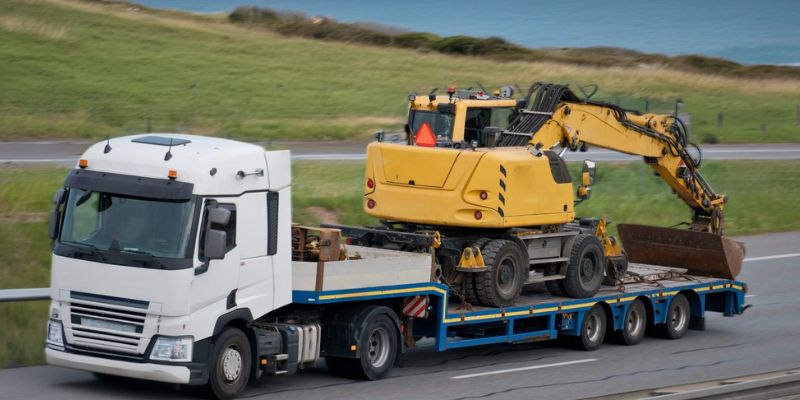
Understanding the Machinery Transport Process
Every machinery movement begins with understanding exactly what needs to be transported. The equipment's dimensions, weight, centre of gravity, attachments, and operating condition can influence how it should be loaded and secured.
Before transport begins, useful information includes:
- Overall length, width, and height
- Approximate or certified weight
- Whether attachments need to be removed
- Loading and unloading arrangements
- Pickup and delivery site conditions
- Preferred delivery timeframe
Providing accurate information early can help identify suitable transport equipment and reduce avoidable delays. It can also help the transport provider assess whether special considerations are required for access, loading, or securing the machinery.
Agricultural Machinery Requires Careful Preparation
Hay and straw can be affected by moisture and unsuitable storage conditions. Transportation planning should therefore take weather and exposure into account, particularly when loads are moved over longer distances.
Vehicle preparation is another important consideration. Before loading, the available space should be suitable for the cargo, while the vehicle should be inspected for issues that could interfere with safe transportation.
Route planning can also influence the condition and efficiency of a journey. Traffic, road restrictions, narrow access points, and seasonal conditions may affect travel time. Providing accurate destination information can help transportation teams identify practical routes and reduce avoidable complications.
Coordination between the sender, carrier, and recipient is especially useful when agricultural loads require specific unloading arrangements. A prepared receiving site can reduce waiting time and allow unloading to take place in an organised manner.
Route Planning Matters as Much as Loading
A suitable truck is only part of a successful machinery move. The route itself needs consideration, particularly when equipment is oversized or has unusual dimensions. Road restrictions, bridge clearances, narrow access points, construction activity, and difficult turns can all affect transportation planning.
The pickup and delivery properties deserve equal attention. A large machine may be straightforward to move along a main road but challenging to position at a farm entrance, construction site, workshop, or storage facility.
| Planning factor | Why it matters |
| Equipment dimensions | Determines transport and clearance requirements |
| Weight | Influences suitable equipment and loading arrangements |
| Attachments | May affect overall dimensions and securing |
| Site access | Helps identify potential loading or unloading difficulties |
| Route conditions | Can influence travel time and accessibility |
| Delivery timing | Helps coordinate site personnel and equipment |
Early communication about unusual access conditions can help prevent last-minute complications.
Preparing Farm Equipment for Delivery
When arranging Farm Machinery Transport, preparation should account for both the machine and the destination. Equipment may be needed immediately after arrival, so confirming when and where it should be positioned can make unloading more efficient.
The receiving area should be clear enough for the machinery to be unloaded safely. If the destination has gates, slopes, soft ground, overhead obstructions, or restricted turning space, these details should be communicated before the journey.
It is also sensible to establish who will be available at delivery and whether additional equipment is needed to move the machinery from the transport vehicle to its final position.
Choosing a Transport Provider
- The right transport arrangement depends on more than vehicle availability. Businesses should consider whether the provider understands the dimensions, handling requirements, and practical constraints associated with the equipment being moved.
Before booking, discuss:
- Machinery specifications and weight
- Collection and delivery addresses
- Access restrictions
- Loading and unloading responsibilities
- Timing requirements
- Any special securing or handling considerations
Clear communication can help both parties establish realistic expectations and identify potential issues before the machinery is collected.
FAQs
- How should machinery be prepared for transport?
Secure movable components, remove or prepare attachments as required, clean the equipment when appropriate, and provide accurate dimensions and weight information.
Can oversized machinery be transported?
Potentially, depending on its dimensions, weight, route, equipment requirements, and applicable transport restrictions. These details should be assessed before scheduling the move.
Why are site conditions important?
Narrow entrances, uneven ground, low clearances, and limited turning space can make loading or unloading more difficult. Sharing these details in advance supports better planning.
Should machinery be photographed before collection?
Taking photographs can provide a useful record of the equipment's condition before transportation and may help document existing marks or damage.
How far in advance should machinery transport be arranged?
Advance planning is advisable, particularly when equipment is oversized, requires special handling, or must arrive within a specific timeframe.
Conclusion
Safe equipment movement depends on preparation, accurate information, suitable transport equipment, and careful route and site planning. Whether moving agricultural equipment, construction assets, or other substantial loads, treating each journey according to the machinery's individual requirements can reduce unnecessary complications. For businesses arranging Heavy Machinery Transport, thoughtful preparation and clear communication provide a practical foundation for getting valuable equipment where it needs to go safely and on schedule.