
Efficient Agricultural Freight Depends on Careful Load Planning
Moving animals between farms, markets, processing facilities, and other authorised destinations requires transportation arrangements that account for both operational efficiency and animal welfare. Livestock Transport Services involve more than simply moving animals from one location to another. Vehicle suitability, loading procedures, journey duration, weather conditions, road conditions, documentation, and handling practices can all influence the transportation process. A well-planned approach helps reduce unnecessary stress and supports safer journeys while ensuring that businesses can coordinate movements according to their operational schedules and applicable requirements.
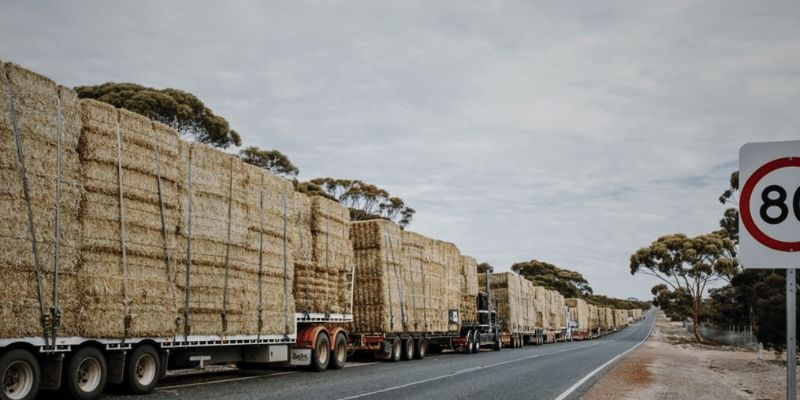
Why Straw Transport Specialists Need Careful Load Preparation
Straw is lightweight and bulky, which makes efficient vehicle utilisation particularly important. Straw Transport Specialists need to consider the dimensions and arrangement of bales, available vehicle capacity, loading access, and the requirements of the receiving location.
Before transportation, several factors can be reviewed:
- Number and dimensions of bales
- Total load volume and estimated weight
- Loading and unloading facilities
- Suitable vehicle configuration
- Securement requirements
- Weather conditions during transit
- Destination access and delivery arrangements
Proper loading helps make effective use of available space while maintaining safe weight distribution. Bales should be positioned and secured appropriately so that they remain stable during transportation.
Clear information from the sender can also make the process more predictable. Details about collection times, bale quantities, access restrictions, and unloading arrangements allow transportation teams to plan more effectively.
Protecting Agricultural Loads During Transit
Hay and straw can be affected by moisture and unsuitable storage conditions. Transportation planning should therefore take weather and exposure into account, particularly when loads are moved over longer distances.
Vehicle preparation is another important consideration. Before loading, the available space should be suitable for the cargo, while the vehicle should be inspected for issues that could interfere with safe transportation.
Route planning can also influence the condition and efficiency of a journey. Traffic, road restrictions, narrow access points, and seasonal conditions may affect travel time. Providing accurate destination information can help transportation teams identify practical routes and reduce avoidable complications.
Coordination between the sender, carrier, and recipient is especially useful when agricultural loads require specific unloading arrangements. A prepared receiving site can reduce waiting time and allow unloading to take place in an organised manner.
Factors to Consider When Moving Hay and Straw
Several practical factors can influence the transportation process. Evaluating them before dispatch can help businesses establish realistic expectations.
| Factor | Transportation Consideration |
| Bale dimensions | Determines loading arrangement and space utilisation |
| Load volume | Influences vehicle capacity |
| Weight | Helps maintain appropriate vehicle loading |
| Weather | Can affect cargo protection requirements |
| Route | Influences travel time and accessibility |
| Loading facilities | Determines how efficiently cargo can be handled |
| Destination access | Supports practical unloading arrangements |
Documentation should also be kept accurate. Information about quantities, collection points, destinations, and delivery schedules can support communication between the parties involved.
Safety remains important throughout the journey. Proper load distribution and securement help reduce movement during transit. Transportation teams should also follow applicable road safety and weight regulations when moving agricultural materials.
How Hay Freight Supports Agricultural Supply Chains
Hay Freight plays a role in connecting farms, agricultural businesses, livestock operations, storage facilities, and other destinations that depend on baled materials. Efficient movement can help maintain continuity when hay is required across different locations.
A well-organised transportation process generally involves several stages:
- Confirming the quantity and type of material
- Establishing a practical collection schedule
- Assessing vehicle capacity
- Planning loading arrangements
- Selecting an appropriate route
- Coordinating with the receiving location
- Confirming unloading requirements
Timing can be particularly important for agricultural operations. Delays may affect storage planning, animal feed availability, or scheduled deliveries. Establishing realistic collection and arrival windows can help all parties coordinate their activities.
The condition of the material should also be considered throughout the process. Keeping loads appropriately secured and managing exposure to adverse weather can support the preservation of the cargo.
For recurring transportation requirements, consistent processes can make planning easier. Maintaining clear shipment records and communicating changes promptly can help reduce avoidable errors.
FAQs About Hay and Straw Transportation
- Why is bale size important during transportation?
Bale dimensions influence how much cargo can fit into a vehicle and how it can be positioned safely. - Does weather affect hay transportation?
Yes. Weather conditions can influence exposure risks, loading arrangements, route planning, and cargo protection requirements. - What information should be provided before collection?
Useful details include bale quantity, dimensions, collection location, access conditions, preferred timing, and destination information. - Why is proper load securement important?
Appropriate securement helps keep bales stable during transit and supports safer transportation. - How can businesses make agricultural freight planning easier?
They can provide accurate shipment information, coordinate schedules early, prepare loading areas, and maintain clear communication with everyone involved.
Conclusion
Moving hay and straw efficiently requires attention to loading, vehicle suitability, weather, route conditions, securement, documentation, and delivery coordination. Agricultural businesses can benefit from planning these elements before a shipment begins and ensuring that receiving facilities are prepared. When evaluating Hay Delivery, it is useful to consider the complete transportation process rather than focusing only on arrival time. Earlestransport can be considered within a broader assessment of agricultural freight requirements and the practical coordination needed to move bulky materials.