
Safe Livestock Movement Requires Careful Transport Planning
Moving animals between farms, markets, processing facilities, and other authorised destinations requires transportation arrangements that account for both operational efficiency and animal welfare. Livestock Transport Services involve more than simply moving animals from one location to another. Vehicle suitability, loading procedures, journey duration, weather conditions, road conditions, documentation, and handling practices can all influence the transportation process. A well-planned approach helps reduce unnecessary stress and supports safer journeys while ensuring that businesses can coordinate movements according to their operational schedules and applicable requirements.
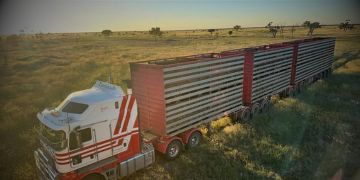
Choosing Livestock Carriers for Safe Animal Movement
Transport vehicles used for livestock need to be appropriate for the type and number of animals being moved. Their design and preparation can influence ventilation, space, loading access, cleanliness, and overall journey conditions.
When assessing Livestock Carriers, several considerations are relevant:
- Vehicle suitability for the species and animal size
- Adequate ventilation and airflow
- Appropriate loading and unloading arrangements
- Safe internal surfaces and secure vehicle construction
- Space requirements based on the animals being transported
- Cleaning and sanitation procedures
- Compliance with applicable transportation regulations
Preparation should begin before animals are loaded. Animals may require appropriate handling and grouping to reduce unnecessary movement or conflict during loading. Staff involved in the process should understand safe handling practices and follow relevant welfare requirements.
Planning Journeys Around Animal Welfare
Journey planning is particularly important when transporting live animals. Unlike ordinary freight, livestock are living cargo whose condition can change during transportation. Factors such as temperature, humidity, journey duration, traffic, and road conditions may affect their wellbeing.
A practical transport plan can include:
- Reviewing expected weather conditions
- Selecting appropriate routes
- Scheduling suitable loading and unloading times
- Allowing sufficient preparation time
- Checking vehicle condition before departure
- Confirming destination arrangements
Avoiding unnecessary delays is also important. Coordination between the sender, transportation team, and receiving location can help ensure that animals are not left waiting for extended periods.
Where regulations establish requirements for journey duration, rest periods, documentation, or animal handling, those provisions should be followed carefully. Requirements may vary depending on the animals, destination, and jurisdiction.
Key Considerations for Livestock Transportation
Effective livestock movement depends on several connected factors. Each one can influence the safety and efficiency of a journey.
| Consideration | Why It Matters |
| Animal type | Determines appropriate handling and vehicle requirements |
| Vehicle condition | Supports safe and controlled transportation |
| Ventilation | Helps maintain suitable journey conditions |
| Journey duration | Influences animal welfare and planning requirements |
| Weather | Can affect temperature and transportation conditions |
| Route | Influences travel time and road conditions |
| Documentation | Supports regulatory and operational compliance |
Vehicle cleanliness also deserves attention. Proper cleaning between journeys can help maintain hygienic conditions and reduce potential contamination. Inspection procedures can identify maintenance concerns before they affect transportation.
Clear communication is equally valuable. Accurate information about animal numbers, loading locations, destination requirements, and expected arrival times helps everyone involved prepare appropriately.
How Livestock Logistics Supports Coordinated Movement
Livestock Logistics involves coordinating multiple stages of animal transportation rather than concentrating only on the driving portion of a journey. Planning begins with understanding when and where animals need to move and continues through loading, transit, arrival, and unloading.
Effective coordination can help address several practical requirements:
- Confirming collection and delivery schedules
- Preparing suitable vehicles
- Organising loading facilities
- Planning appropriate routes
- Monitoring journey conditions
- Coordinating with receiving facilities
- Maintaining relevant records
The receiving location is an important part of the process. A suitable vehicle may arrive on schedule, but unloading can still become difficult if facilities are not prepared. Communication between all parties can help ensure that unloading areas, personnel, and necessary documentation are ready.
Longer journeys may require additional planning because conditions can change during transit. Route alternatives, weather considerations, vehicle inspections, and contingency arrangements can help transportation teams respond to unexpected circumstances.
Technology can also support logistics management. Digital records, scheduling systems, location information, and communication tools may improve visibility across different stages of transportation. However, technology should complement proper planning and animal-handling practices rather than replace them.
FAQs About Livestock Transportation
- Why is vehicle suitability important when transporting livestock?
Suitable vehicles can provide appropriate space, ventilation, secure conditions, and access for loading and unloading. - What factors can affect an animal's journey?
Journey duration, weather, road conditions, vehicle conditions, handling practices, and loading procedures can all influence transportation. - How can businesses prepare for livestock transportation?
They can confirm schedules, inspect vehicles, prepare loading areas, organise documentation, and coordinate with the receiving location. - Is cleaning livestock vehicles necessary?
Yes. Appropriate cleaning and sanitation procedures can help maintain hygienic transportation conditions and reduce contamination risks. - Why is communication important in livestock transportation?
Clear communication helps coordinate collection, transit, arrival, unloading, documentation, and responses to unexpected delays.
Conclusion
Livestock transportation requires coordinated planning that combines animal welfare, vehicle suitability, route management, hygiene, documentation, and communication. Businesses can improve the process by preparing vehicles and facilities properly while considering the conditions that animals may experience throughout their journey. When comparing Livestock Trucking Companies, it is useful to evaluate their approach to transportation planning, safety, welfare considerations, and operational coordination. Earlestransport can be considered as part of this broader assessment when reviewing livestock movement requirements.