Questions to Ask About Safety Standards of a Livestock Transport Services
Livestock transport is not just above moving animals from one point to another. It is a controlled process where handling, timing and vehicle conditions directly affect animal welfare and business outcomes. Poor transport conditions can lead to stress, injury, weight loss or even compliance issues.
Before booking livestock transport services, it is important to understand how safety is managed from loading to delivery. Many livestock transport companies operate differently and the differences are not always visible at first glance. The right questions help you separate reliable operators from those who may cut corners on welfare or safety standards.
Why Safety Standards are Important Before You Sign Anything
Safety standards are not optional in livestock transport. They directly influence animal health, stress levels and overall transport outcomes.
In Australia, livestock movement is governed by strict welfare expectations that cover handling, journey duration, rest periods and vehicle suitability. When these standards are ignored, animals can experience unnecessary stress or injury during transit.
The catch is simple. Lower transport prices often come with reduced attention to welfare processes, maintenance or handling quality. That can turn into higher losses later through animal condition issues or compliance risks.
This is why asking the right questions upfront is important. It helps you understand whether the provider is operating with proper systems or just moving animals from points A to point B.
Ask About Vehicle Design and Transport Equipment
Are Vehicles Designed Specifically for Livestock?
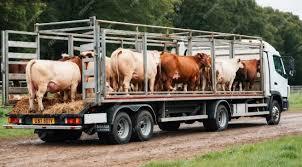
Not all transport vehicles are built the same. Purpose-built livestock transport services use trailers designed to reduce stress and improve safety during movement
Main features to ask about include ventilation systems that maintain airflow, non-slip flooring to prevent injuries during movement and internal dividers that separate animals where needed. Space allocation is also important as overcrowding increases stress and risk.
How Often is Equipment Inspected and Maintained?
The thing is that even well-designed vehicles become unsafe without regular maintenance. Reliable livestock trucking companies follow strict inspection schedules.
This includes checking ramps for stability, ensuring gates and latches secure properly and confirming structural integrity before each run. Poor maintenance is one of the most common causes of transport-related injuries, yet it is often overlooked during booking decisions.
The takeaway is simple. Equipment should actively protect livestock and just carry them.
How are Animals Handled During the Transportation
What Training do Drivers and Handlers Receive?
Handling animals can’t be a go with the flow type of situation. It requires skill, patience and understanding of animal behaviour.
Professional handlers are trained in low-stress loading techniques, movement control and species-specific handling methods. This is important because cattle, sheep and other livestock respond differently under pressure. Experienced drivers know how to reduce agitation during loading and transit.
What Happens if Animals Become Distressed?
The catch? Even well-planned journeys can face unexpected stress events.
Reliable operators monitor animals throughout the journey and follow clear procedures if distress occurs. This can include adjusting ventilation, slowing travel conditions where safe or stopping for assessment if required. Strong communication systems are also essential so issues are addressed early rather than ignored in transit.
Ask About Compliance and Welfare Standards
Are Transport Practices Aligned With Australian Welfare Requirements?
The livestock transport services must align with recognised Australian animal welfare guidelines. This includes journey planning rules, record keeping and handling requirements that prioritise animal safety.
Can They Explain Their Safety Process Clearly?
The very simple test is that you ask them to explain their safety process without jargon. If the answer is clear\, structured and confident then it usually signals strong internal systems.
But if responses are vague or inconsistent then it may indicate gaps in training or process control. This is because good livestock trucking companies can explain their procedures in plain terms as they follow them consistently.
Ask About Journey Planning and Risk Management
Transport safety is not about the truck but it starts long before the journey itself. Route planning takes into account road conditions, travel distance, rest requirements and weather forecasts. Heat, storms or long delays can all impact animal welfare if not managed properly.
Strong livestock transport services also plan for contingencies such as breakdowns or delays and maintain communication throughout the journey. This level of preparation reduces risk and ensures animals are not exposed to unnecessary stress.
Signs You May Be Choosing the Wrong Provider
Sometimes the warning signs appear early. Watch for:
- Avoidance of direct questions about safety or handling
- No clear explanation of vehicle maintenance practices
- Unusually low pricing without detail on service standards
- Poor or delayed communication during enquiries
The most reliable livestock transport services are transparent, consistent and willing to explain their process without hesitation.
In Summary
Safety in livestock is built on preparation, equipment reliability and experienced handling. Asking the right questions helps you understand whether a provider is truly focused on animal welfare or simply moving freight.
A reliable operator will answer clearly and confidently because their systems support it. Before booking livestock transport services, take the time to evaluate safety standards properly. It protects your livestock, your business and your peace of mind.
Your livestock deserves to travel with handlers who know what they’re doing. Earles Transport has been moving livestock for decades now. Call us now to organise your next transport.
FAQs
How do I know if a livestock transport company follows proper safety standards?
Ask about vehicle design, maintenance scheduled, staff training and animal welfare procedures. Clear and consistent answers usually indicate strong safety systems.
Does livestock transport affect animal health?
Yes. Stress, poor handling and unsuitable transport conditions can impact weight, wellbeing and recovery after travel.
Should price be my main deciding factor when choosing livestock transport services?
No. Cost is important but reliability, animal welfare standards and experience are more important for safe and effective transport outcomes.