
How Freight Networks Keep Everyday Supply Chains Moving
Reliable freight movement is an essential part of modern commerce, connecting manufacturers, wholesalers, retailers, and customers across different locations. General Freight Carriers handle a wide range of goods and help businesses coordinate the movement of products through established transportation networks. Their role involves more than moving cargo from one point to another. Scheduling, load planning, documentation, handling requirements, delivery coordination, and communication can all influence how effectively freight reaches its destination. Understanding these elements helps businesses make practical transportation decisions based on cargo characteristics, timing, and operational requirements.
Table of Contents
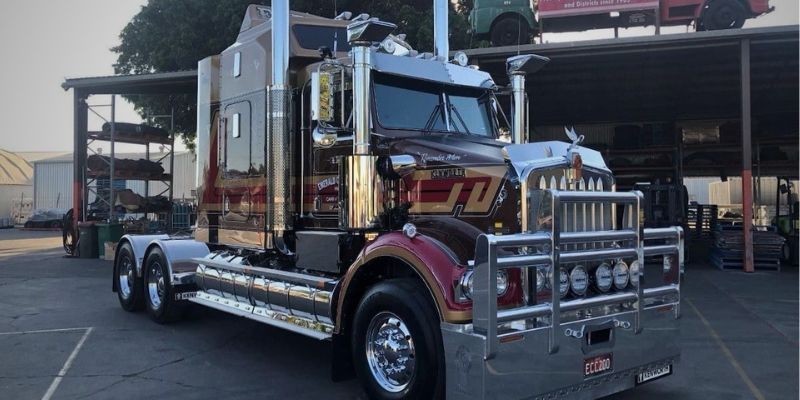
General Freight Services for Different Shipping Requirements
Freight needs can vary significantly between businesses. Some shipments may involve standard packaged goods, while others require particular handling procedures, larger vehicles, or carefully planned delivery schedules.
When evaluating General Freight Services, businesses can consider several factors:
- Type, weight, and dimensions of the shipment
- Pickup and delivery locations
- Required delivery timeframe
- Loading and unloading requirements
- Packaging and cargo protection
- Documentation and tracking needs
- Vehicle suitability for the shipment
A suitable freight arrangement should reflect the characteristics of the cargo rather than relying on a single transportation method. Clear information at the planning stage can help reduce misunderstandings and support smoother coordination between shippers, carriers, warehouses, and recipients.
Planning Freight Movement Efficiently
Effective freight transportation begins with proper planning. Businesses need to understand when goods will be ready for collection, where they need to go, and what conditions may affect the journey.
Route planning can influence travel time, fuel consumption, vehicle utilisation, and delivery reliability. Traffic conditions, road restrictions, weather, loading schedules, and destination requirements may also affect transportation planning.
Another important factor is communication. Accurate pickup information and delivery instructions can help reduce delays caused by incomplete addresses, unavailable receiving staff, incorrect paperwork, or unsuitable unloading arrangements.
Businesses can also establish consistent processes for documenting shipments. Accurate records make it easier to identify the status of cargo and address discrepancies when they arise.
Factors That Influence Freight Transportation Decisions
Choosing an appropriate freight arrangement involves balancing several operational considerations. Businesses can compare transportation options based on their specific requirements rather than selecting a service solely on price.
| Factor | Importance |
| Cargo characteristics | Determines suitable vehicle and handling requirements |
| Distance | Influences route planning and transportation time |
| Delivery schedule | Helps establish appropriate dispatch arrangements |
| Load size | Affects vehicle capacity and utilisation |
| Destination access | Determines practical delivery requirements |
| Documentation | Supports accurate shipment coordination |
Cargo preparation is equally important. Proper packaging, labelling, weight information, and loading instructions can help protect goods during transit. When freight is prepared accurately, transportation teams can work with clearer information and reduce avoidable handling problems.
How General Freight Transport Supports Supply Chains
General Freight Transport forms a practical link between different stages of the supply chain. Manufacturers depend on transportation to move finished products, distributors require regular replenishment, and retailers need dependable deliveries to maintain inventory.
The effectiveness of freight movement can influence broader business operations. A delayed shipment may affect warehouse scheduling, production planning, inventory availability, or customer commitments. For this reason, transportation should be considered as part of the overall supply chain rather than as an isolated activity.
Several practices can support more organised freight movement:
- Matching vehicles with cargo requirements
- Establishing realistic pickup and delivery windows
- Maintaining accurate shipment records
- Communicating changes promptly
- Coordinating loading and unloading schedules
- Reviewing delivery performance regularly
Consistency is particularly important for businesses with recurring freight requirements. Clear processes can help establish predictable workflows and make it easier to identify areas where transportation arrangements can be improved.
FAQs About Freight Transportation
- What types of goods can general freight transportation handle?
It can accommodate many types of standard commercial cargo, depending on its size, weight, packaging, handling requirements, and applicable transportation regulations. - Why is load information important?
Accurate information about weight, dimensions, and cargo characteristics helps determine appropriate vehicle capacity and handling arrangements. - How can businesses reduce freight delays?
Accurate documentation, realistic scheduling, proper packaging, clear delivery instructions, and timely communication can help minimise avoidable delays. - Is route planning important for freight delivery?
Yes. Route planning can account for distance, road conditions, restrictions, traffic, and destination access, supporting more efficient transportation. - What should businesses consider when selecting freight transportation?
They should consider cargo requirements, delivery schedules, vehicle suitability, destination access, documentation, communication, and overall operational needs.
Conclusion
Effective freight transportation depends on careful planning, appropriate vehicle selection, accurate documentation, and consistent communication. Businesses can improve their transportation decisions by considering cargo characteristics, delivery requirements, route conditions, and supply chain priorities together. When assessing a General Freight Trucking Company, it is useful to focus on how its transportation processes align with the practical requirements of each shipment. Earlestransport can be considered within this broader evaluation of freight transportation needs and operational planning.