
Building Reliable Supply Chains Through Smarter Freight Movement
Businesses depend on the steady movement of goods to keep operations running smoothly. From packaged products and commercial supplies to materials, components, and everyday shipments, cargo must reach its destination in a safe and organised manner. General Freight covers a broad range of non-specialised goods that require dependable handling, suitable vehicle selection, and careful scheduling. While these shipments may not always involve unusual dimensions or specialised equipment, effective planning remains essential for reducing delays, protecting cargo, and supporting efficient supply chain operations.
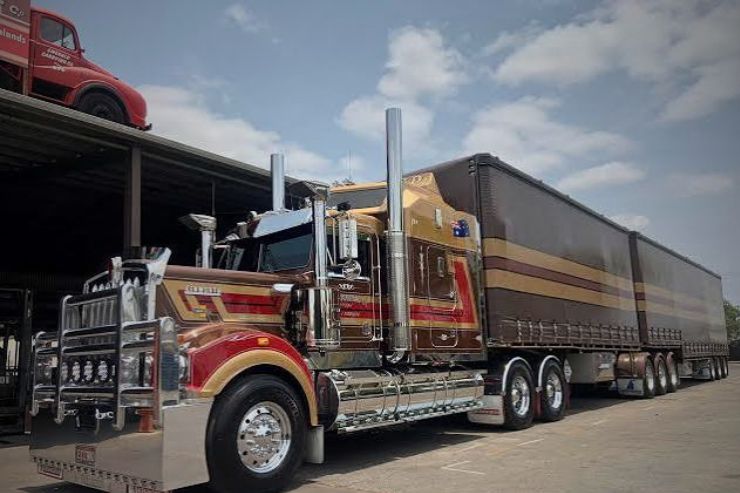
General Freight Requires Organised Planning
Successful freight movement begins with understanding the shipment. The type of goods, quantity, packaging, weight, and delivery requirements all influence the transportation process. A clear plan helps determine how cargo should be loaded, arranged, secured, and delivered.
Important planning considerations include:
- Shipment size and total weight
- Packaging and handling requirements
- Pickup and delivery locations
- Preferred delivery schedules
- Access conditions at each site
- Compatibility between cargo and transport equipment
Accurate information allows the transport process to be coordinated more effectively. It also helps reduce avoidable problems, such as insufficient loading space, unsuitable vehicle arrangements, or delays caused by incomplete shipment details.
Choosing a General Freight Trucking Company
Selecting a General Freight Trucking Company involves considering more than the availability of vehicles. Businesses need a transport partner that understands how to coordinate different types of cargo while maintaining consistent communication throughout the process.
A dependable approach includes reviewing the nature of the goods, the distance involved, and the requirements of the pickup and delivery locations. For recurring shipments, consistency becomes particularly important because businesses often rely on predictable transportation to maintain inventory levels and meet customer expectations.
The following factors can influence the planning process:
| Consideration | Importance |
| Cargo characteristics | Helps determine suitable handling and loading methods |
| Shipment volume | Supports appropriate vehicle and capacity planning |
| Delivery schedule | Helps coordinate transport with business operations |
| Site accessibility | Reduces difficulties during loading and unloading |
| Communication | Keeps all parties informed about progress and changes |
When these details are considered together, freight movement becomes easier to coordinate and more adaptable to changing operational needs.
Protecting Cargo Throughout the Journey
Cargo protection begins with appropriate preparation. Goods should be packaged according to their characteristics, with attention given to items that may be vulnerable to movement, pressure, moisture, or impact. Proper loading also helps distribute weight and reduce unnecessary shifting during transit.
Different types of freight may require different approaches. Palletised goods, boxed products, loose items, and bundled materials can each present unique handling considerations. Clear instructions from the shipper can help the transport team understand any special requirements before loading begins.
Communication is equally important when circumstances change. Adjustments to delivery times, site access, shipment quantities, or unloading arrangements should be shared promptly. This helps minimise confusion and supports better coordination between the shipper, transport team, and receiving location.
General Freight Transport and Supply Chain Efficiency
Businesses often rely on General Freight Transport to connect suppliers, warehouses, distribution centres, retailers, and customers. When these movements are organised effectively, they can contribute to better inventory control and smoother day-to-day operations.
Timing is an important consideration. A delayed shipment may affect production schedules, stock availability, customer deliveries, or project timelines. For this reason, transport planning should account for the full journey rather than focusing only on the distance between two locations.
Businesses can improve coordination by:
- Providing accurate shipment information in advance
- Confirming loading and unloading arrangements
- Sharing delivery instructions clearly
- Allowing sufficient time for scheduling
- Maintaining communication when circumstances change
A structured process supports greater visibility and helps businesses respond more effectively when unexpected challenges arise.
Frequently Asked Questions
What types of goods are considered general freight?
General freight commonly includes ordinary commercial goods, packaged products, supplies, materials, and other cargo that does not require highly specialised transport conditions.
How should goods be prepared for transportation?
Goods should be appropriately packaged, labelled where necessary, and arranged to reduce the risk of movement or damage during handling and transit.
Why are accurate shipment details important?
Correct information about dimensions, weight, quantity, and delivery requirements helps support suitable planning and reduces the likelihood of avoidable transport complications.
Can general freight be used for regular business deliveries?
Yes. Many businesses use standard freight movements to support recurring supply, distribution, and delivery requirements across their operations.
What can help reduce freight delays?
Early scheduling, complete shipment information, clear site instructions, and timely communication can all contribute to smoother transportation planning.
Conclusion
Efficient freight movement depends on preparation, coordination, communication, and attention to the practical details of each shipment. By understanding cargo requirements and planning the journey carefully, businesses can support more organised supply chain operations and reduce unnecessary disruption. With a structured approach to General Freight Services, Earlestransport can help address the varied transportation needs associated with everyday commercial cargo while keeping reliability and coordination at the centre of the process.